05-05-2026
On February 10th, a participatory workshop was held in Verviers (Belgium) as part of the European DECUB project. The session focused on understanding how people perceive and value two specific urban blocks and their surrounding environment, to understand diverse value systems and support future strategies for sustainable and people-centred urban regeneration.
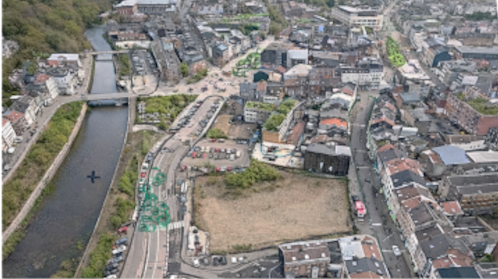
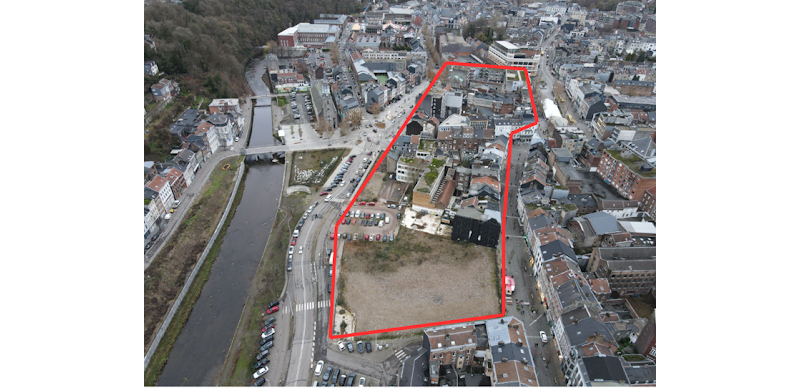
Using the methodology of World café, the workshop was focused on two blocks located along the Vesdre River between Place Verte and Place du Martyr. This area includes commerce, public spaces, and residential buildings.
The discussion explored participants’ perceptions, preferences, and the diverse values they associated with their urban environment.
The World Café format aimed to exchange ideas, listen to different viewpoints, and collectively build an understanding of local values.
The World Café session was structured as a sequence of short, rotating discussions designed to progressively deepen participants’ engagement with the study area and its values.
It began with a brief introductory round, allowing participants to present themselves and become familiar with the process. The first round focused on mental mapping and landscape perception, where participants worked in small groups to annotate visual materials of the site using overlays and notes. They identified elements that attracted their attention, distinguished between pleasant and less inviting areas, highlighted preferred spatial and architectural features, and reflected on aspects contributing to the area’s identity, including social, economic, and heritage dimensions. They also discussed their preferred activities and everyday uses within the blocks.
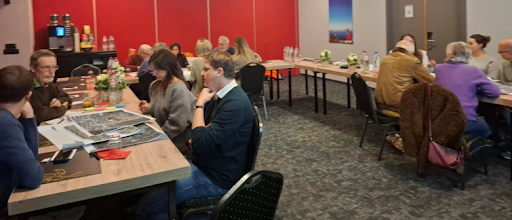
Building on these initial perceptions, the second round invited participants to select two key attributes, either tangible or intangible, that they considered significant. Through guided discussion, they articulated the meanings and values associated with these attributes, ranking their importance and reflecting on how these values might be affected if the attributes were altered or removed. Moderators facilitated this process by clustering responses into predefined value categories, encouraging deeper reflection on significance and prioritization.
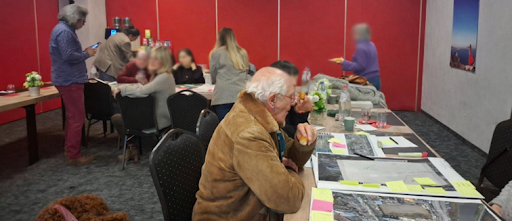
In the third round, participants rotated tables and were introduced to the attributes and value assessments identified by the previous group. This “change table” format prompted them to critically engage with earlier discussions, expressing agreement or disagreement and further elaborating on the relevance of these attributes from their own perspectives. The session concluded with a final round in which participants reacted to three proposed scenarios of change, offering their opinions and reflections. A short wrap-up at the end synthesized the discussions, capturing key insights and overall impressions from the exercise.
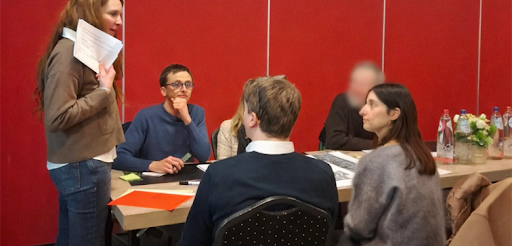
Participants annotated photos of the urban blocks
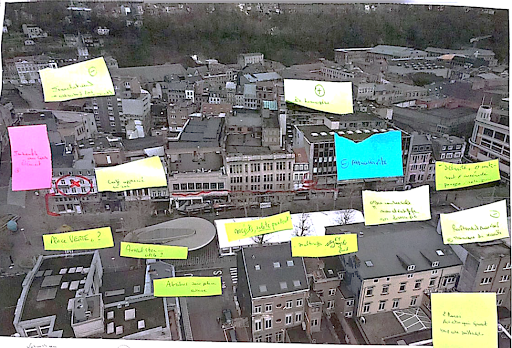
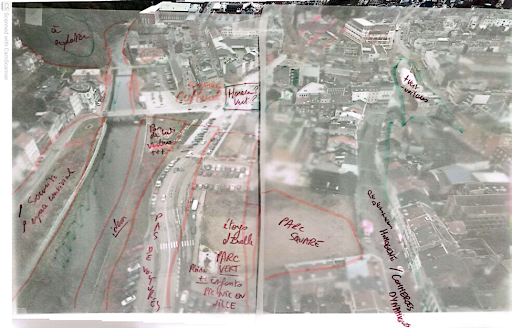
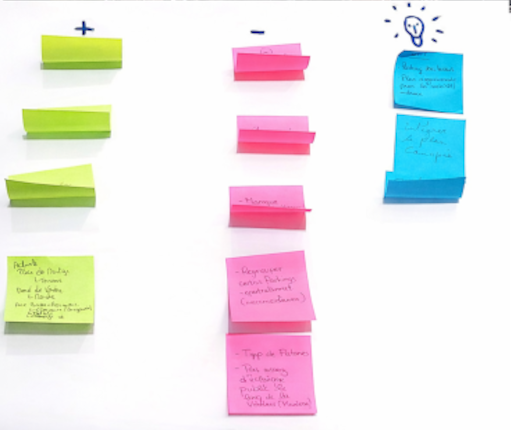
The comments were categorised as positive and negative, and there was also an opportunity to suggest ideas to mitigate the negative effects and reinforce the positive ones