17-04-2026
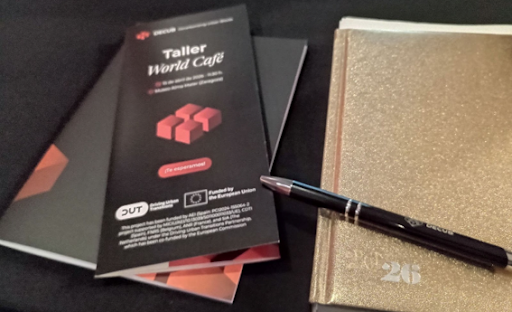
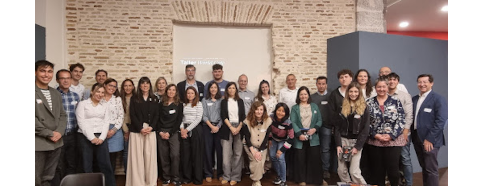
On April 15th, a participatory workshop was held in Zaragoza as part of the European DECUB project. The session focused on understanding how people perceive and value a specific urban block, with the aim of supporting future strategies for sustainable and people-centred urban regeneration.
The workshop explored a block located between Paseo Echegaray y Caballero, Calle Mundir I, Calle del Sepulcro and Calle Don Jaime I. This area includes residential buildings, public spaces, and cultural institutions such as the Museo Alma Mater and Plaza San Bruno.
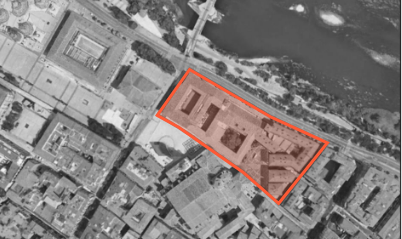
The main goal was to identify what participants value in these places, what works well, and what could be improved. These values may be social, cultural, environmental, aesthetic or historical, and are often linked to specific elements such as buildings, squares or everyday activities.
Understanding these perceptions is essential for urban planning and design, as they complement technical data with local knowledge and lived experience.
The session was structured using the World Café methodology, a participatory approach based on small-group conversations that encourage the sharing of knowledge and perspectives

Participants worked in small groups and rotated between discussion tables. Each table addressed specific questions about the study area, allowing ideas to evolve through successive conversations. This format fosters collaboration, active listening and collective reflection.
During the workshop, participants:
Analysed simple maps and images of the area.
Discussed which spaces they liked and which generated problems.
Reflected on why these perceptions exist.
Identified strengths to preserve and opportunities for improvement
Shared personal and diverse viewpoints rather than technical answers
This process created a relaxed and inclusive environment where all voices could contribute equally.

The ideas collected during the workshop will be integrated into a digital tool currently under development. This tool will help explore different improvement scenarios at block scale, aiming to reduce emissions while preserving local identity and responding to real community needs.
The workshop brought together residents, users of the area, public officials, urban planning professionals, researchers, students and representatives of social and cultural organisations. Their collective knowledge provided a rich and diverse understanding of the place.
Through this World Café session, the DECUB project continues to promote collaborative approaches to urban regeneration, ensuring that future interventions are grounded in the everyday experiences and values of local communities.